
Every year on 16 October, the world observes World Food Day, a global reminder of the urgent need to address hunger, malnutrition, and food insecurity. While the issue affects millions worldwide, South Africa faces a particularly complex food crisis, driven less by food quality and more by economic conditions that limit access to nutritious meals.
Food Insecurity in South Africa: Not About Food Quality or Cost
According to Roelie van Reenen, Supply Chain Executive at Beefmaster Group, South Africa’s food insecurity challenge is not rooted in the price or quality of food.
“One of the reasons our country is food insecure is not because of expensive or poor-quality food. Rather, the state of the economy plays a significant role in determining how accessible food is to ordinary South Africans,” says van Reenen.
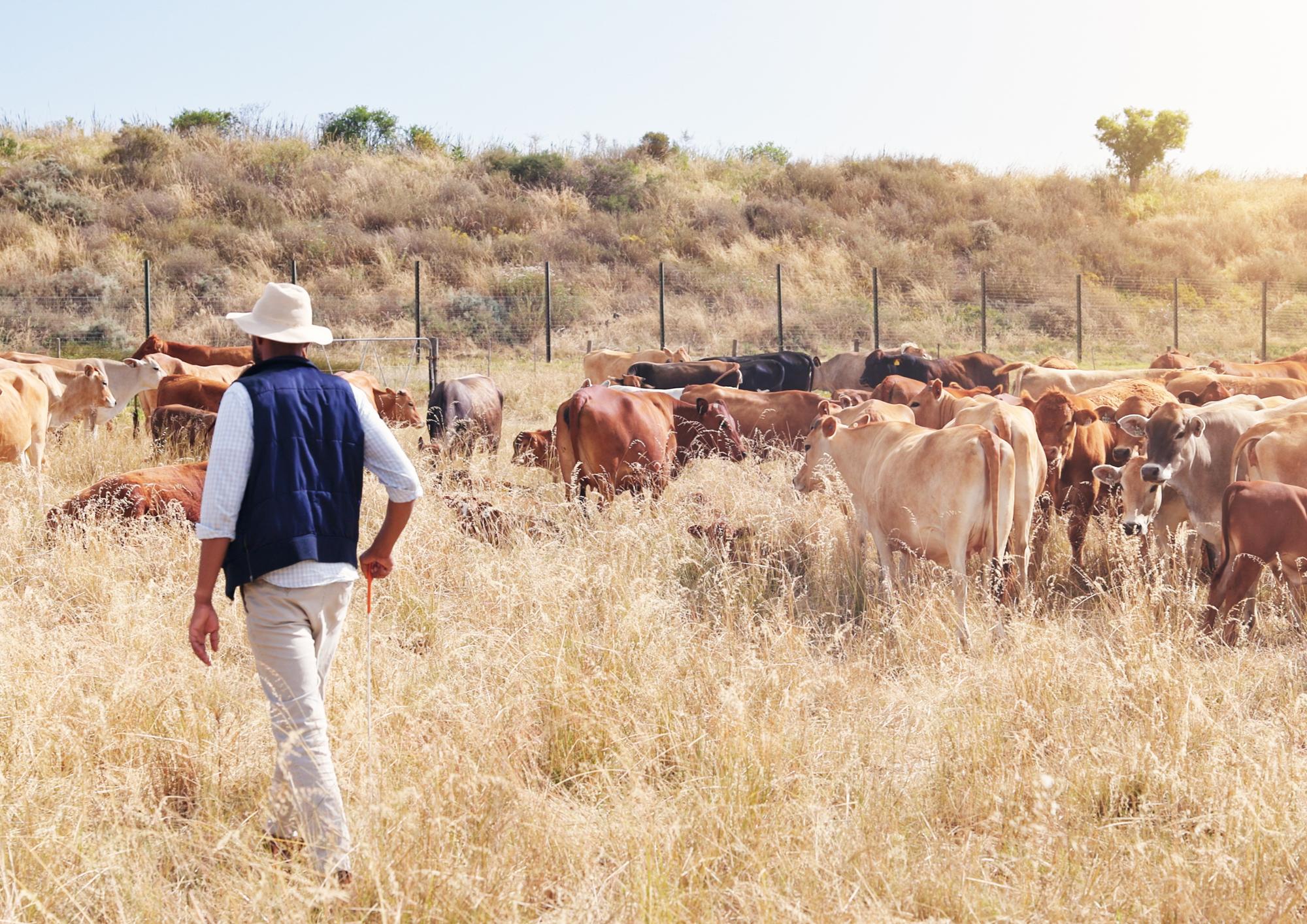
South Africa produces high-quality beef at competitive prices, making it a sought-after product internationally. Yet the benefits of this affordability do not always reach consumers at home.
“Our food remains among the most affordable globally. The Big Mac Index, for example, consistently shows that the rand is undervalued – meaning that our food, including beef, is cheap by international standards,” van Reenen explains.
The Real Barrier: Economic Pressure on Households
While South African food may be affordable, many households still struggle due to broader economic pressures. Consumers are effectively paying “unofficial taxes” caused by:
- Low economic growth
- High unemployment
- Rising electricity costs
- Increasing fuel prices
These factors reduce disposable income, forcing households to choose between essentials like food, electricity, and transport.
PwC data supports this trend, showing that South Africans are purchasing less food as they manage limited budgets and rising living costs.
A Small Relief: Food Inflation is Easing
There is a glimmer of hope. South Africa’s food inflation rate eased from 5.7% in July to 5.2% in August 2025 year-on-year, offering slight relief to consumers and helping households stretch their food budgets. However, the broader issue of food insecurity remains a major concern.
Food Security Index: A Decade Low
The South African Food Security Index 2024, commissioned by Shoprite Group and compiled by economists from Stellenbosch University, shows that 2023 recorded the lowest food security level in over a decade.
The index evaluates four key dimensions of food security:
- Availability
- Access
- Utilisation
- Stability
The report highlights a critical issue: dietary diversity is essential, especially in tackling child hunger.
A Call for Economic Stability and Access
Van Reenen emphasises that South African consumers receive excellent value for their food, but only if they can afford it.
“In many countries, you’ll find cheaper products – but they’re often of much lower quality. South African consumers are getting great value at home. What we need is an environment that enables consumers to access this good, nutritious food, one where economic conditions support the consumer’s ability and spending power to put quality meals on the table.”
On World Food Day, South Africa’s food insecurity issue remains a high-stakes challenge, not because the country lacks food, but because economic conditions prevent many citizens from accessing nutritious meals. Improving economic stability, reducing living-cost pressures, and ensuring access to affordable, high-quality food are essential steps to improving food security across the nation.