Preparing Your Herd for a Potentially Dry Summer: An El Niño Drought Guide for Cattle Farmers
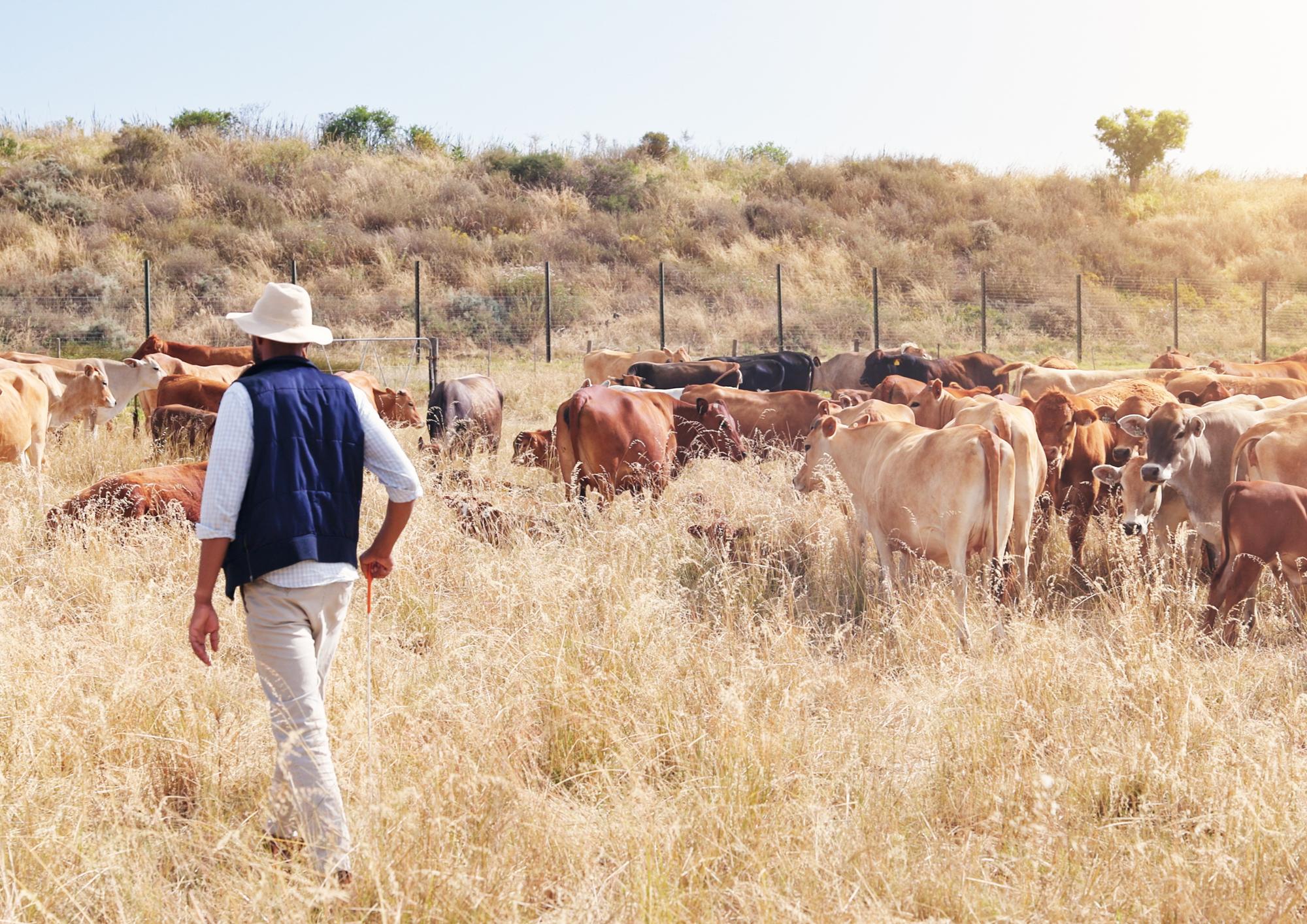
With reports indicating a high probability of El Niño impacting South Africa in the coming months, cattle farmers are being encouraged to prepare for the possibility of a drier summer and put a solid drought-preparation plan in place, particularly in South Africa’s summer rainfall regions.
According to Jaco Liebenberg, technical manager feedlot & farms at Beefmaster Group, there is no reason to panic, but farmers should spend time to assess their resources, plan for different scenarios and be ready to act if conditions deteriorate.
“The success of drought management in the cattle industry depends on three things: forward planning, informed decision-making and timely action when it is necessary,” says Liebenberg.
How El Niño Could Impact Beef and Cattle Role Players
Liebenberg explains that rainfall through September and October is expected to remain around average in many areas, but conditions could become drier from November. If El Niño peaks in December, below average rainfall could extend into March and April 2027.
“For cattle farmers, the most significant concern is the potential impact on natural grazing, which most cattle farmers rely on. Rainfall has a direct impact on resources available to them,” says Liebenberg.
He explains that lower rainfall during the summer rainfall season can affect both grazing and grain production, particularly in summer rainfall areas and among dryland grain farmers.
How Drought Affects Cattle Fertility and Weaning Weight
Higher temperatures can also cause heat stress in animals, which in turn negatively impacts fertility. Research has shown that pregnancy rates in cattle can decline by approximately 20% to 27% under these stressful conditions. Heat stress and the deterioration in body condition can also impact overall growth.
“We have seen variances of about 42% in weaning weight during dry periods,” says Liebenberg. “Indigenous breeds are better equipped to handle these conditions, while European and British breeds respond differently.
“But we are going into 2026 and 2027 in a relatively strong position, with better reserves and production levels. We have had late rains, relatively good water levels in boreholes and dams, and sufficient pastures for grazing. That means we are better placed to navigate the impact should conditions deteriorate.”
The longer-term outlook, says Liebenberg, remains uncertain. “If El Niño happens, it may be relatively short-lived or persist for longer, while its impact can vary significantly between regions. This makes preparation for various scenarios particularly important.”
A Framework for Managing Drier Conditions
According to Liebenberg, the first step is to assess the resources currently available. Farmers should know how much grazing, water, additional feed and infrastructure they have, as well as the quality and timing of those resources.
“That includes understanding if you have the infrastructure to access your water, such as with dams or rivers, and whether you have enough feed or grazing to carry your herd through a dry period.”
The next step is to establish clear thresholds or trigger points. Rather than waiting for conditions to become critical, farmers should decide in advance what indicators will require action.
“Ask yourself: at what point do I need to act?” says Liebenberg. “Having trigger points established beforehand means you are not trying to make a major decision when you are already under pressure.”
Farmers should then rank their options according to their impact and feasibility. If feed becomes scarce, for example, the options could include buying additional feed, renting grazing or reducing herd numbers. The right decision will depend on what is available, what is affordable and what will have the greatest benefit for the operation.
“Not every decision that sounds good is necessarily practical,” says Liebenberg.
Finally, farmers should budget and plan for different scenarios, including what they may need to carry the operation through until the next rains arrive. This means engaging early with financial advisers, insurers, banks and agricultural experts and using available information to inform decisions.
“Get the insights you need to inform your decisions,” says Liebenberg. “Panic often leads to poor decisions. If you have a plan and know what your options are, you are in a much better position to act if the time comes.”
Five Top Tips for Cattle Farmers to Prepare for Drought
Below are Liebenberg’s top five tips for cattle farmers to help prepare for an uncertain future.
- Act early. Farmers need to make decisions before a crisis hits. During a drought, acting early to reduce herd numbers, for example, can help avoid selling at the same time as everyone else, when oversupply can put pressure on prices.
- Keep good records. Financial, animal production and grazing records help farmers understand their break-even point and what it costs to produce a kilogram of beef. Farmers need to know which animals deliver the best return per hectare and make decisions based on the numbers.
- Protect your core breeding herd. Know which animals are essential to your breeding programme so that if you need to sell cattle, you can protect your “star performers”. Protecting these animals safeguards years of genetic progress and is a long-term decision.
- Prioritise grazing management. Ultimately, cattle farmers are farming the land. Healthy soil, protection against erosion and practices such as rotational grazing are fundamental to managing dry conditions and supporting recovery when the rains return.
- Farm with animals adapted to your environment. The right animal needs to be able to convert available grazing into produce efficiently. Breed selection, heat tolerance, fertility and overall condition are important. If animals are poorly suited to their environment, farmers are working against one of their most important resources.
“Being like the ants, not the grasshopper, in the classic children’s fable about the power of preparation, can put farmers in a stronger position to navigate uncertainty, no matter what the weather brings,” concludes Liebenberg.
Frequently Asked Questions
How does El Niño affect cattle farming in South Africa?
El Niño typically brings below-average summer rainfall to South Africa’s interior, reducing natural grazing and putting pressure on water resources that cattle farmers rely on. If El Niño peaks in December 2026, forecasters expect the impact to extend into the 2027 growing season.
How much can drought affect cattle fertility?
Research shows that heat stress during drought conditions can reduce cattle pregnancy rates by approximately 20% to 27%. Weaning weight can also vary by as much as 42% during dry periods.
What is the first step in preparing a herd for drought?
According to Beefmaster’s Jaco Liebenberg, the first step is assessing the resources currently available: how much grazing, water, feed and infrastructure a farm has, along with the quality and timing of those resources.
Which cattle breeds cope best with drought?
Indigenous breeds are generally better equipped to handle heat stress and dry conditions than European and British breeds, which tend to respond differently to drought pressure.