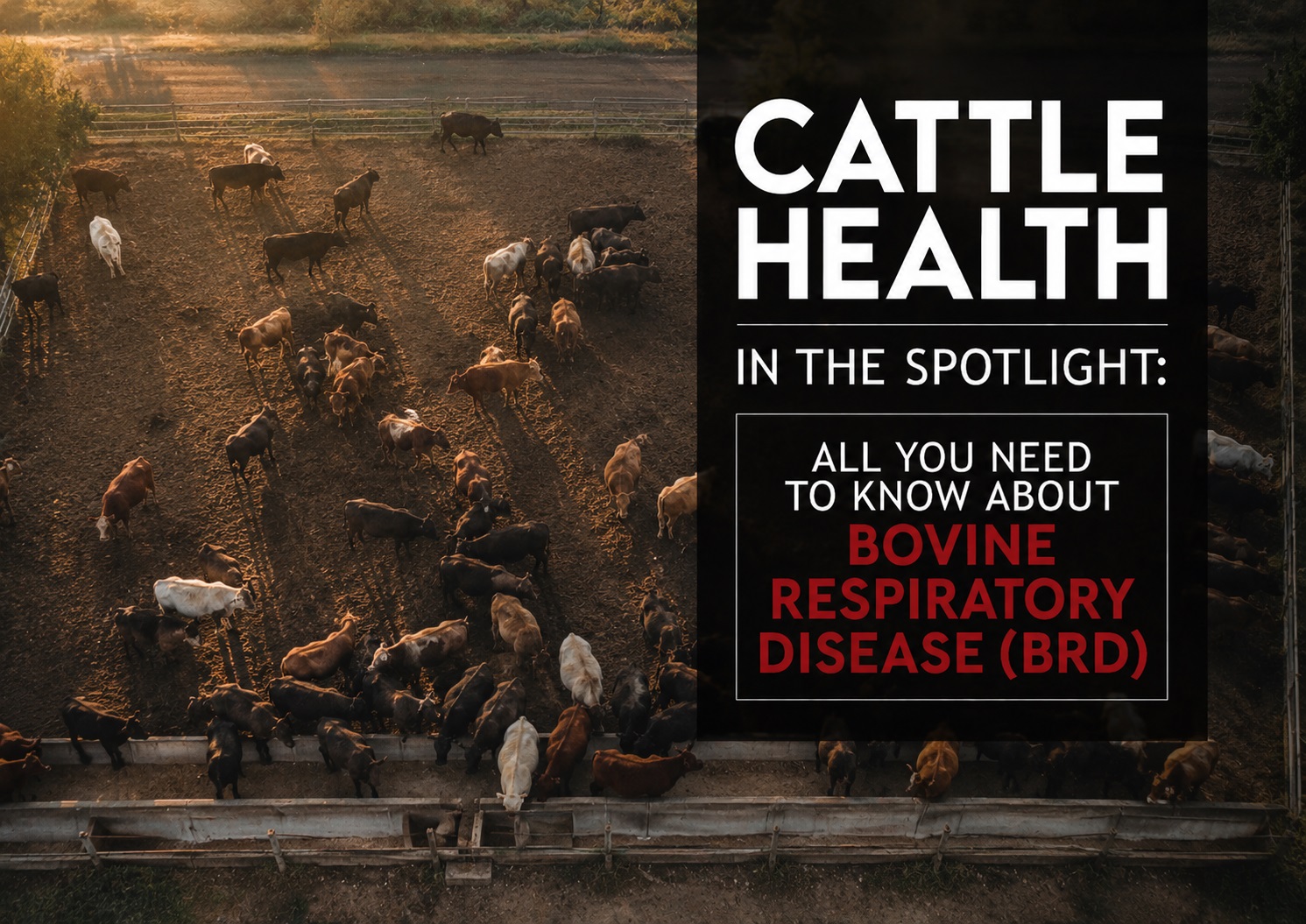
As temperatures begin to drop across South Africa, it’s time for cattle farmers to start thinking about herd health risks that emerge during this time. Bovine Respiratory Disease (BRD) is common during autumn and winter and one of the most costly and persistent disease challenges in cattle. The good news is that it can be managed if caught early.
A leading cause of illness and mortality in cattle of all ages, including in nursing beef calves, is Bovine Respiratory Disease (BRD), a disease that can typically occur as the temperature cools and seasons change.
According to Thapelo Kgosi Ramokala, animal health specialist at Beefmaster Group, outbreaks of the disease often spike before entering the feedlot, typically in late summer to autumn, and it continues to be a significant and costly burden in South Africa’s cattle sector.
“BRD is not caused by a single pathogen, but rather a combination of factors that compromise the animal’s immune system,” says Ramokala. “Stress related to weaning, transport and commingling, together with seasonal changes, creates an opportunity for both viral and bacterial infections to take hold.”
Ramokala explains that BRD is a multifactorial disease involving a combination of viral and bacterial agents. Common viral contributors include bovine herpesvirus (IBR), bovine viral diarrhoea virus (BVD), parainfluenza-3 and bovine respiratory syncytial virus (BRSV). These viruses weaken the animal’s natural defences, allowing secondary bacterial infections to develop in the lungs.
Early detection is critical in limiting the impact of BRD, as symptoms can escalate quickly if left untreated.
“Farmers should be on the lookout for early warning signs such as fever, nasal discharge, coughing and reduced feed intake,” says Ramokala. “Animals may also appear depressed or show rapid or laboured breathing. Identifying and treating affected cattle early can significantly improve recovery outcomes.”
Prevention, however, remains the most effective strategy in managing BRD risk.
“A proactive herd health programme is essential, particularly during seasonal transitions,” Ramokala notes. “Vaccination plays a key role, alongside low-stress handling practices, proper nutrition and close monitoring of animals during high-risk periods such as weaning and feedlot entry.”
Ramokala adds that vaccination against respiratory diseases is a standard component of herd health protocols, including for pregnant cows. “Vaccines for BRD are among the most commonly administered, as they help protect both the cow and, through colostrum, provide early immunity to the calf.”
He believes farmers should consider vaccinating beef calves around the time of weaning with multivalent modified live viral vaccines, either alone or in combination with Mannheimia haemolytica/Pasteurella multocida bacterins, to reduce bovine respiratory disease morbidity and mortality.
Additional preventative measures include ensuring adequate nutrition to support immune function, and maintaining good management practices of the herd to minimise stress.
When cases do occur, prompt treatment is essential to limit spread and severity.
“Treatment typically involves the use of appropriate antibiotics to address bacterial infections, as well as anti-inflammatory medication to reduce fever and lung inflammation,” Ramokala explains. “Affected animals should also be isolated in hospital pens to prevent further transmission and to allow for closer monitoring and recovery.”